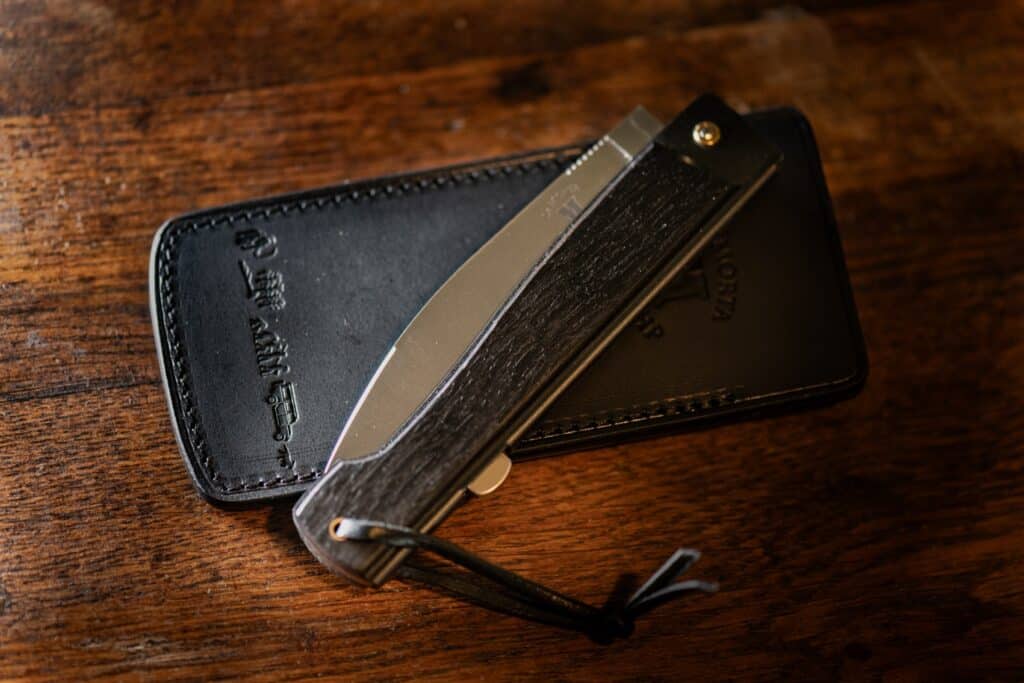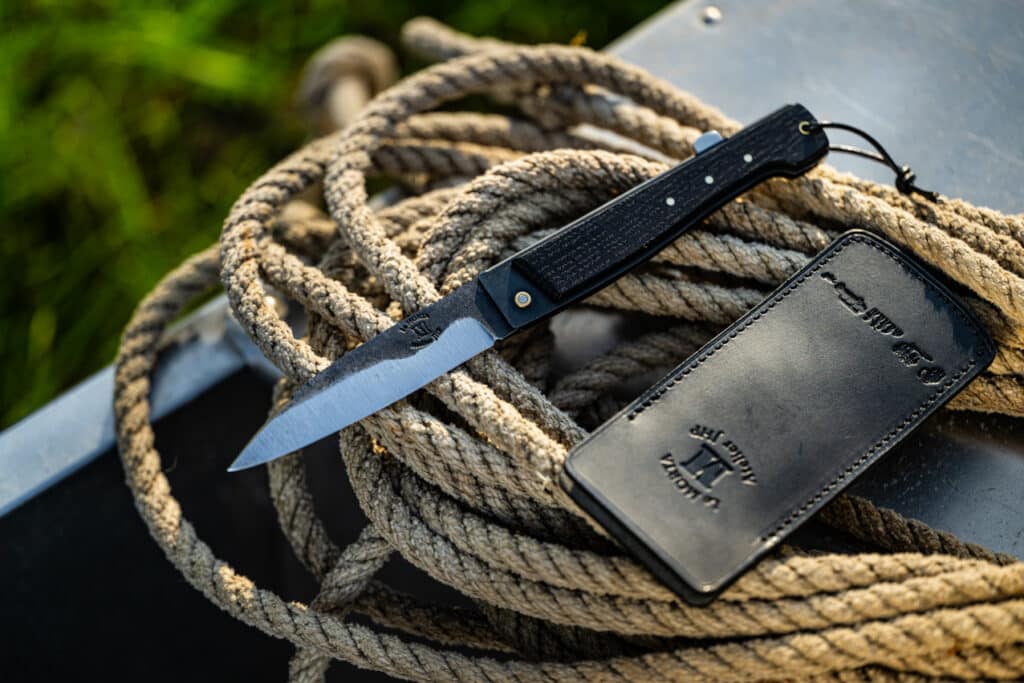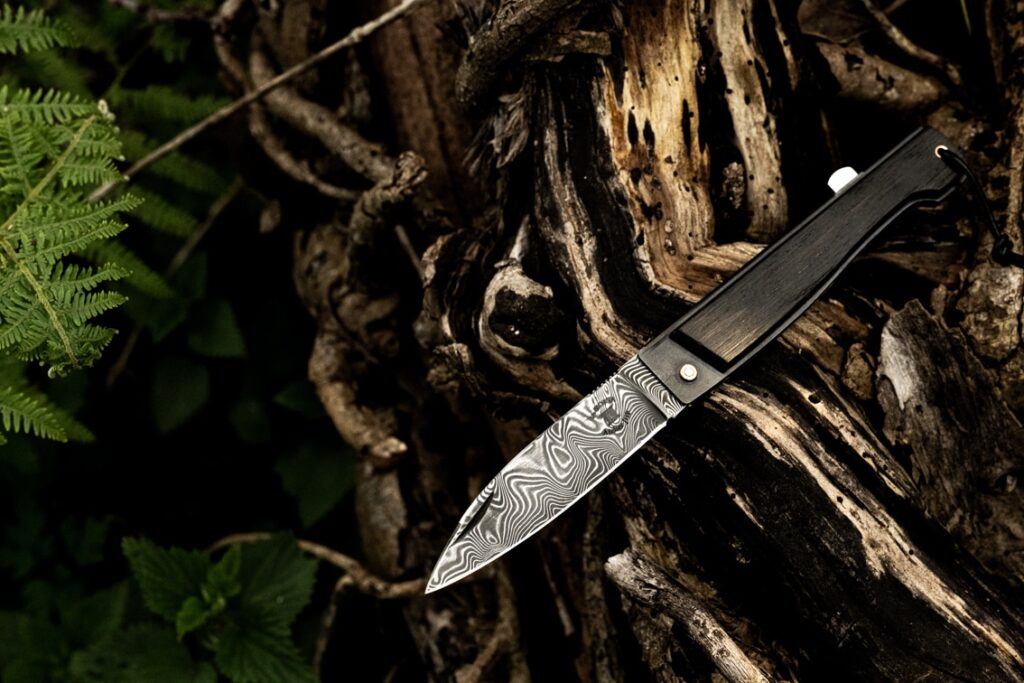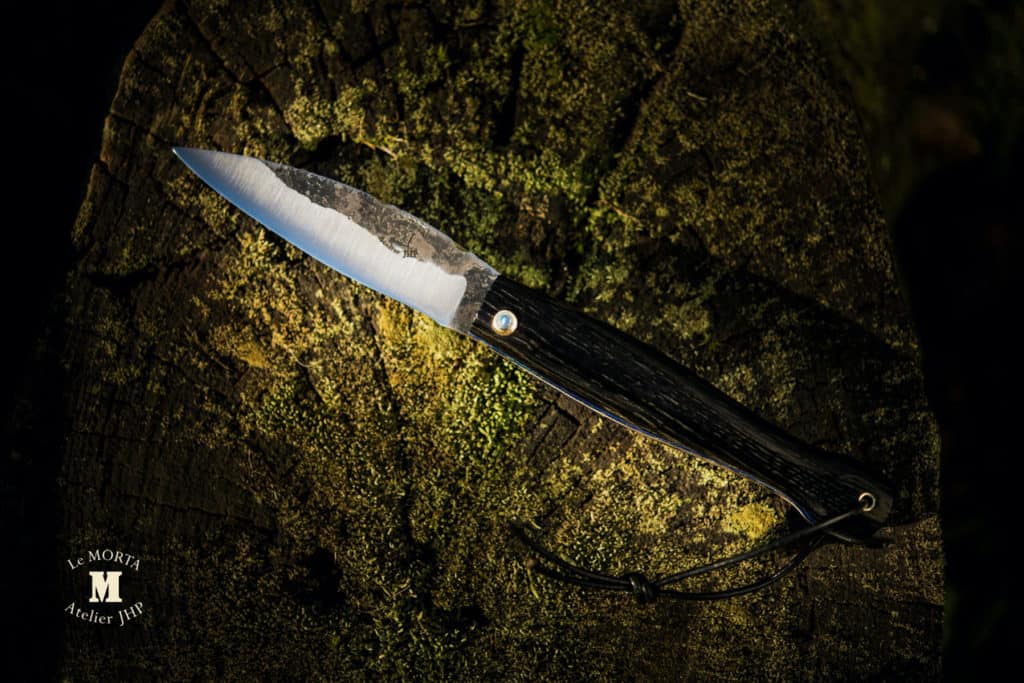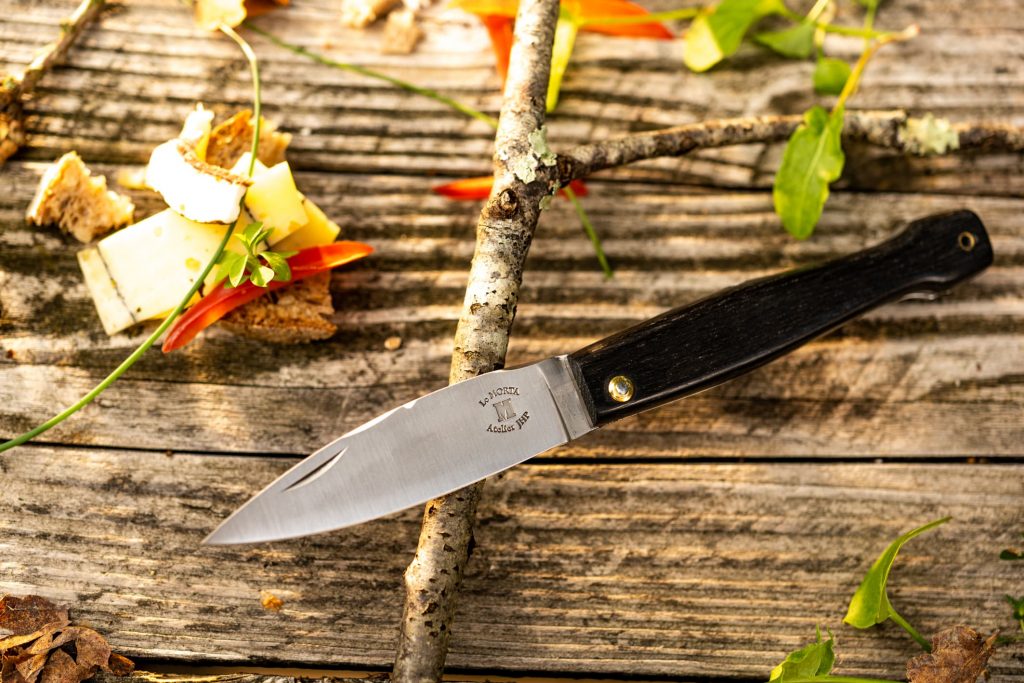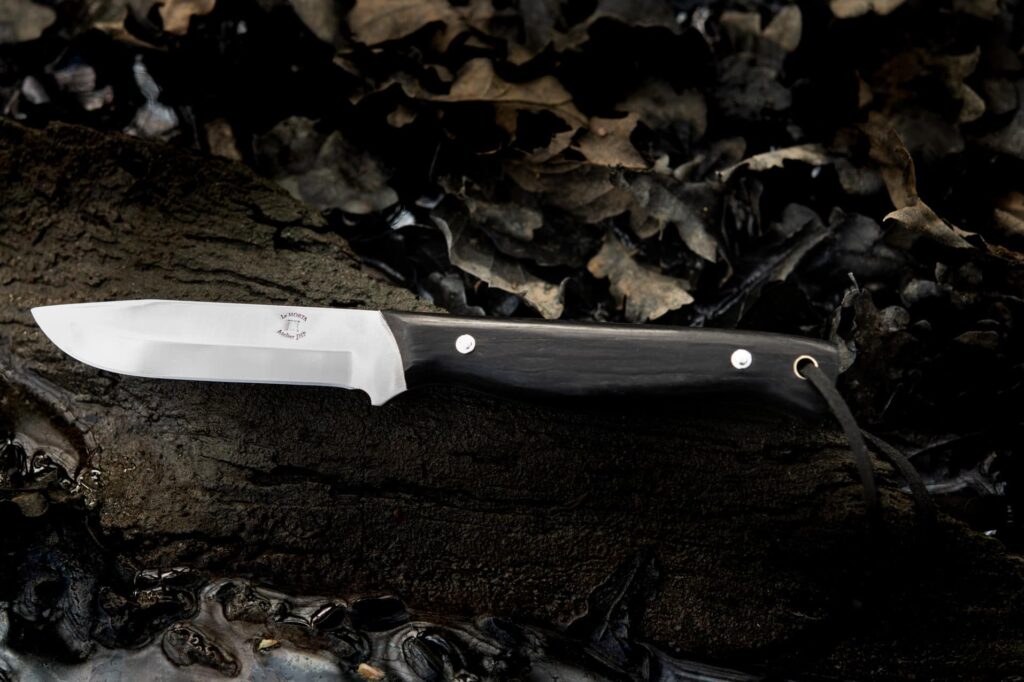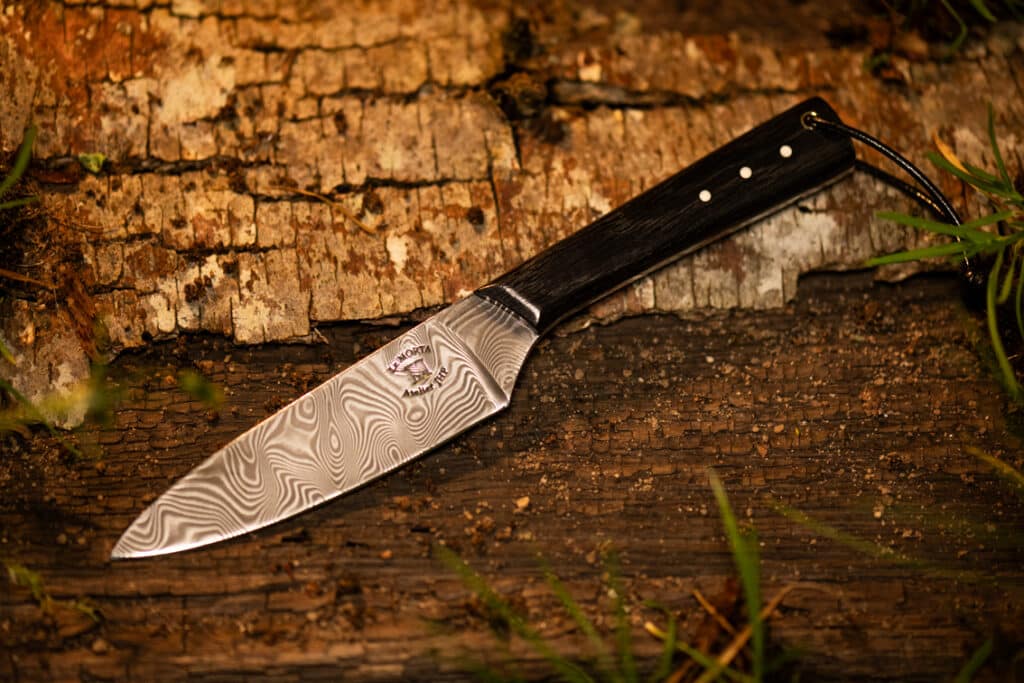

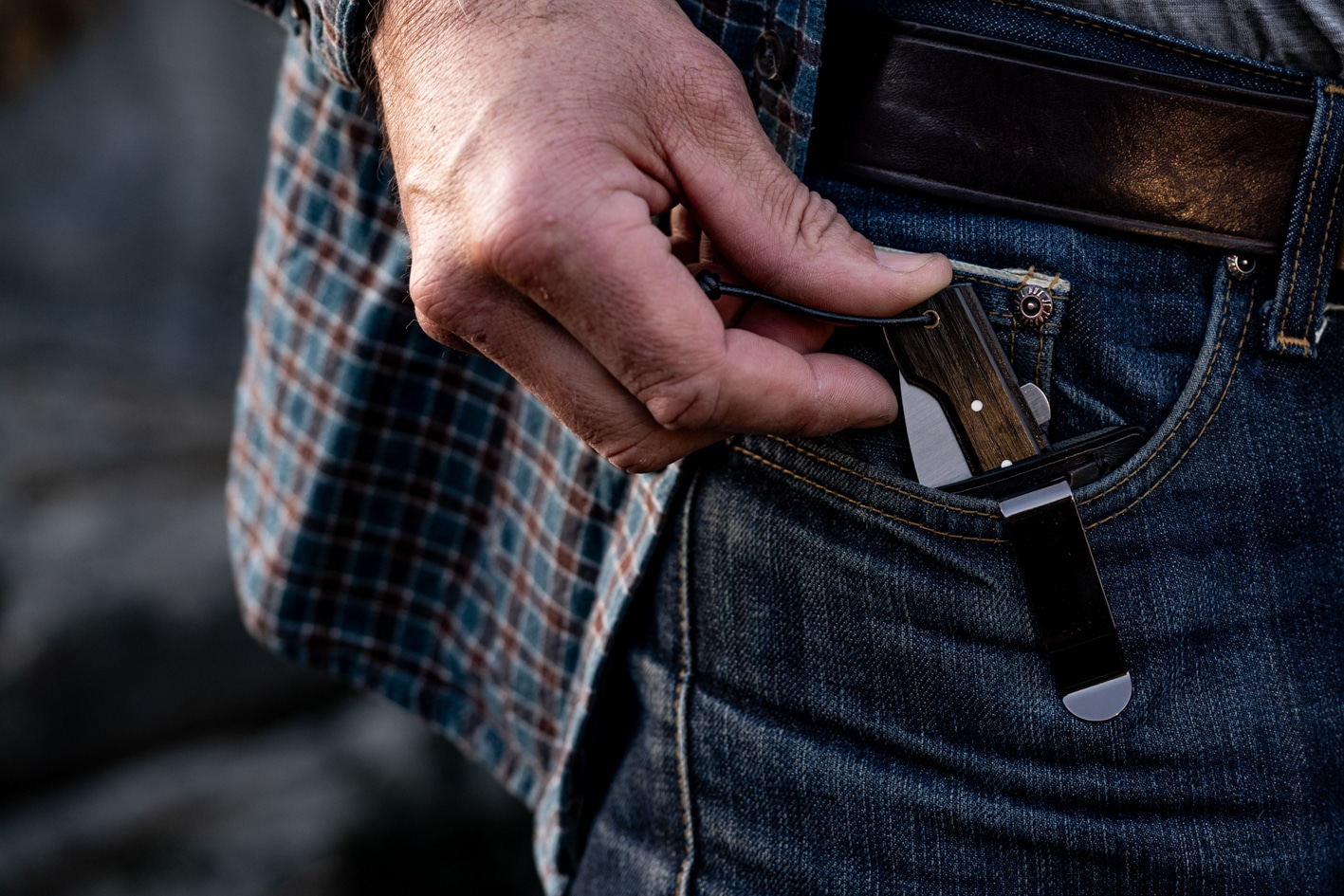

Picture this : you’re road‑tripping across the Badger State, the smell of cheddar curds in the air and your favorite folder tucked in your jeans. You stop at a gas station somewhere between Green Bay and Madison and, bam, doubt strikes : “Am I even allowed to carry a knife in Wisconsin ?” Spoiler : yes, and the rules are friendlier than a Midwestern grandma offering pie. But a knife remains a device capable of producing death or great bodily harm. Let’s slice the legal text and the moral fine print together.
📌 Key Takeaways: Wisconsin Knife Laws
- Wisconsin knife carry freedom: Since Act 149 (2016), adults may carry any knife openly or concealed in Wisconsin with no blade length limit, no permit, and no restriction on opening mechanism. Switchblades, automatic knives, butterfly knives and gravity knives are all legal statewide.
- Statewide preemption (§ 66.0409): No city, county, village or town may pass knife ordinances stricter than state statute. Former local restrictions, like Milwaukee’s 3-inch blade rule, are no longer enforceable. Wisconsin has a uniform knife law throughout the entire state.
- Prohibited persons exception (§ 941.231): Persons banned from possessing firearms under § 941.29 who carry a concealed knife qualifying as a dangerous weapon face a Class A misdemeanor: up to 9 months confinement and $10,000 in fines.
- Restricted locations: Knives are prohibited at K-12 schools and grounds (§ 948.61, with potential felony charges), courthouses and posted government buildings. Transferring a dangerous weapon to a minor is illegal under § 948.60.
- Intent determines legality: Under § 939.22(10), a knife becomes a “dangerous weapon” based on its design or the wielder’s intent, not blade type or length. Using or brandishing a knife with criminal or malicious intent triggers charges for assault, reckless endangerment or aggravated battery.
Quick legal facts : Wisconsin knife laws at a glance
Since 2016, Wisconsin treats knives like the humble tools they are. 2015 Wisconsin Act 149 repealed the old switchblade ban (941.24) and amputated knives from the “dangerous‑weapon” list in the concealed‑carry statute ( 941.23).
Translation : you may carry a knife in Wisconsin, openly or concealed, regardless of blade length, lock type, or opening mechanism. No permit, no paperwork, no raised eyebrows from state troopers.
Key statute citations : Wis. Stat. 941.23, 941.24 (repealed), 941.231; 2015 Act 149.
Open carry vs. concealed carry : how Wisconsin knife law lets you carry knives?
Knives are no longer “weapons” under § 941.23, so the usual “goes armed with a concealed and dangerous weapon” misdemeanor does not bite an ordinary citizen who slips a folder into a pocket. That said, the concealed carry law still watches the facts and circumstances : a concealed knife becomes a dangerous weapon if it’s brandished with criminal or malicious intent. In other words, the statute took knives off the blacklist, it hasn’t removed responsibility.
What’s perfectly legal to carry : openly or hidden?
- A slip‑joint in your pocket : legal to carry a knife under WI law.
- A Bowie on your belt : legal, regardless of blade length.
- A butterfly knife (aka balisong) : legal (just mind your fingers).
- An automatic switchblade that opens by pressing a button : legal statewide since Act 149 repealed the old ban.
 years of history
 Made in France
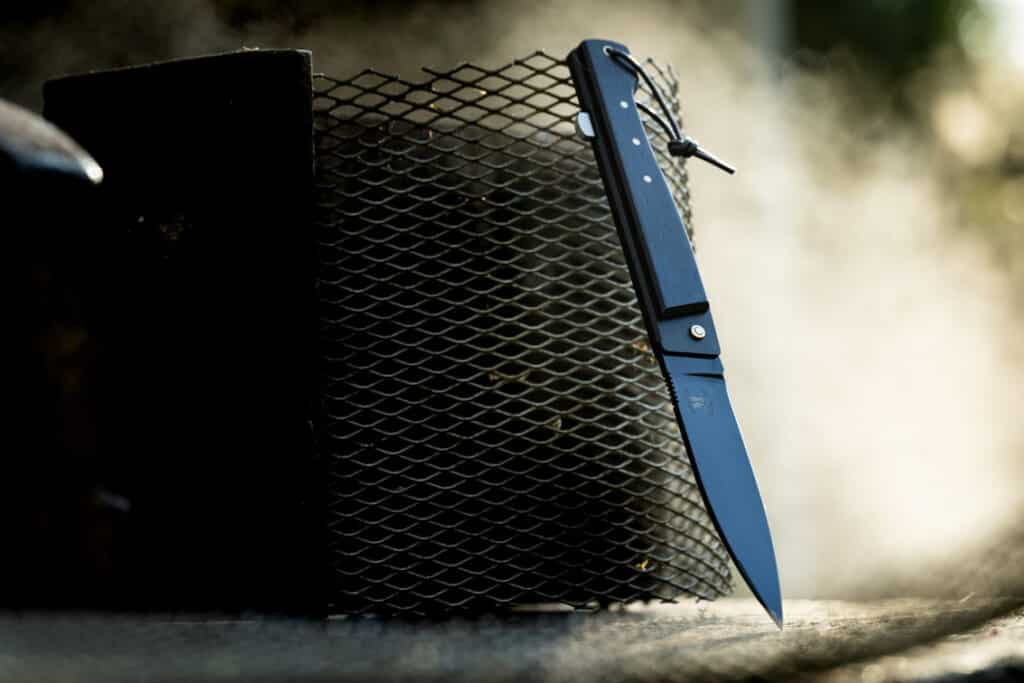
Discover Our Legal Knives in Wisconsin
Handcrafted with passion…


Where the line shifts?
- If you “go armed with a concealed knife” while barred from firearms under § 941.29, you commit a Class A misdemeanor (§ 941.231).
- If the officer sees evidence of criminal or malicious intent, for example, stalking someone at night with the blade taped under a jacket, the same knife could be re‑classified as a device designed as a weapon and you could be charged with a violation of assault or reckless endangerment.
Regardless of blade length, intent turns a tool into a weapon. A 2‑inch penknife can still be a “device or instrumentality used or intended to produce death or great bodily harm.” Carry proud, but carry prudent.
Tip 😉 : at a traffic stop, keep both hands visible, inform the officer you have a concealed knife for utility, and follow commands. Courtesy keeps the discussion in the tool lane, not the weapon lane.
Carry laws & prohibited-from-possessing rules : where the knife law still bites
Prohibited persons
If you’re barred from possessing a firearm under § 941.29 (felony conviction, certain domestic‑violence orders, etc.), hiding a knife that qualifies as a dangerous weapon lands you a Class A misdemeanor (§ 941.231). That’s up to 9 months in jail and a 10 000 $ fine.
Sensitive places
🚫 K‑12 schools : bringing any dangerous weapon, knife included, onto school property is a Class A misdemeanor (§ 948.61). Zero tolerance.
🚫 Courthouses & posted government buildings : enter with a blade and you may be charged with trespass or a local weapons ordinance. Signs at the door are not decoration.
Criminal or malicious intent
Threatening, brandishing, or using a knife as a weapon escalates charges instantly. Wisconsin’s permissive carry law is not a shield against assault, reckless endangerment, or aggravated battery (§§ 940.19, 941.20).
Knife or dangerous weapon ? Laws regarding knife use & risk
A knife is dual‑natured : sublime instrument in the kitchen or the woods, crude weapon in the wrong hands. Consider :
- Accidental injuries : ER data from the CDC show ~350 000 knife‑related injuries per year in the U.S., half of them unintentional lacerations.
- Legal aftermath : Even a lawful carrier can face civil liability if a negligent slice injures someone.
Takeaway : legality ≠ immunity. The statute wipes away paper barriers, not physics, nor the duty of care owed to fellow humans.
Responsible carry checklist
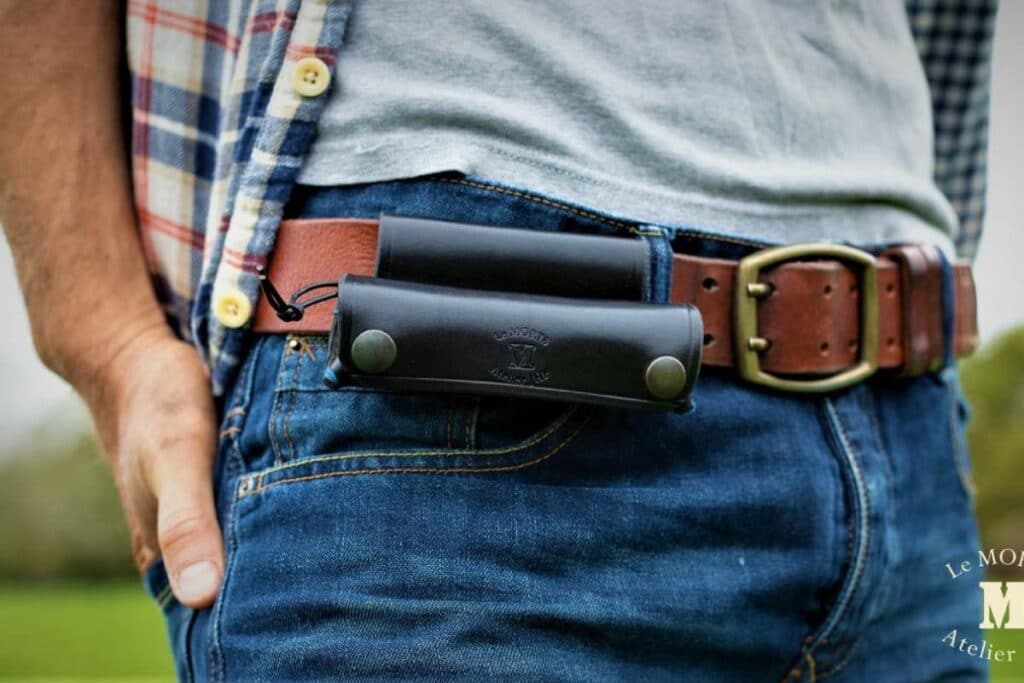
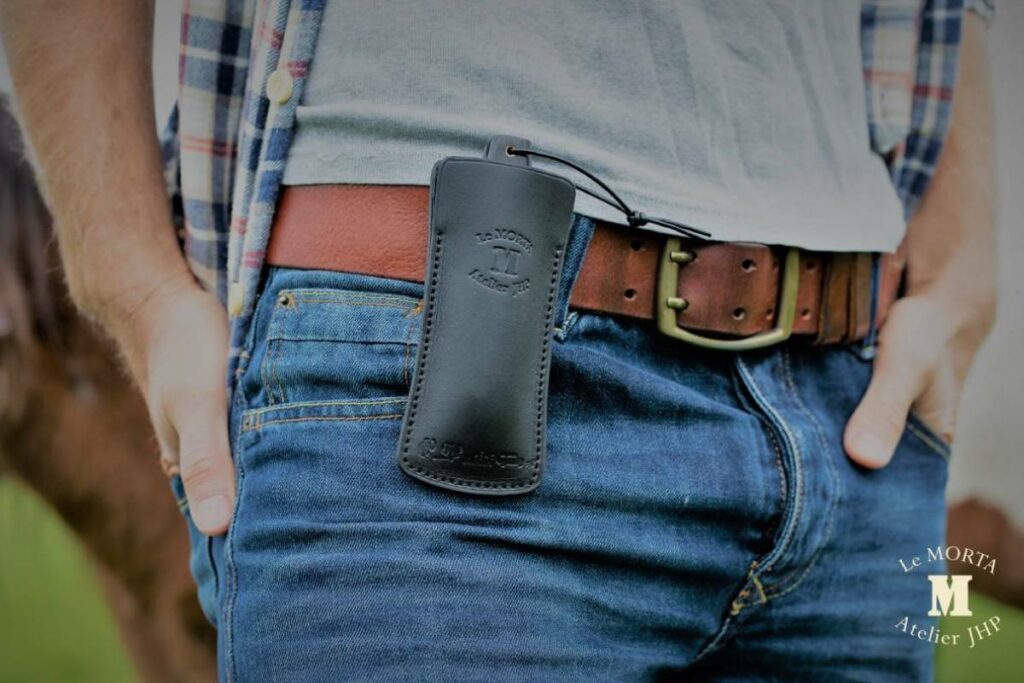
- Secure retention : choose a sheath, deep‑carry clip, or pocket where the blade won’t slip out in a crowd.
- Edge awareness : keep the point away from you, and others, when drawing or passing a knife.
- Training beats bravado : practice opening and closing at home; adrenaline turns fancy mechanisms into finger‑biters.
- Stay sober : § 941.20 criminalizes negligent weapon handling while intoxicated. One beer too many and your “tool” becomes evidence.
- Mind the minors : Wisconsin bars gifting a dangerous weapon to anyone under 18 (§ 948.60). Teach respect before gifting steel.
years of history
Made in France
Discover Our Accessories
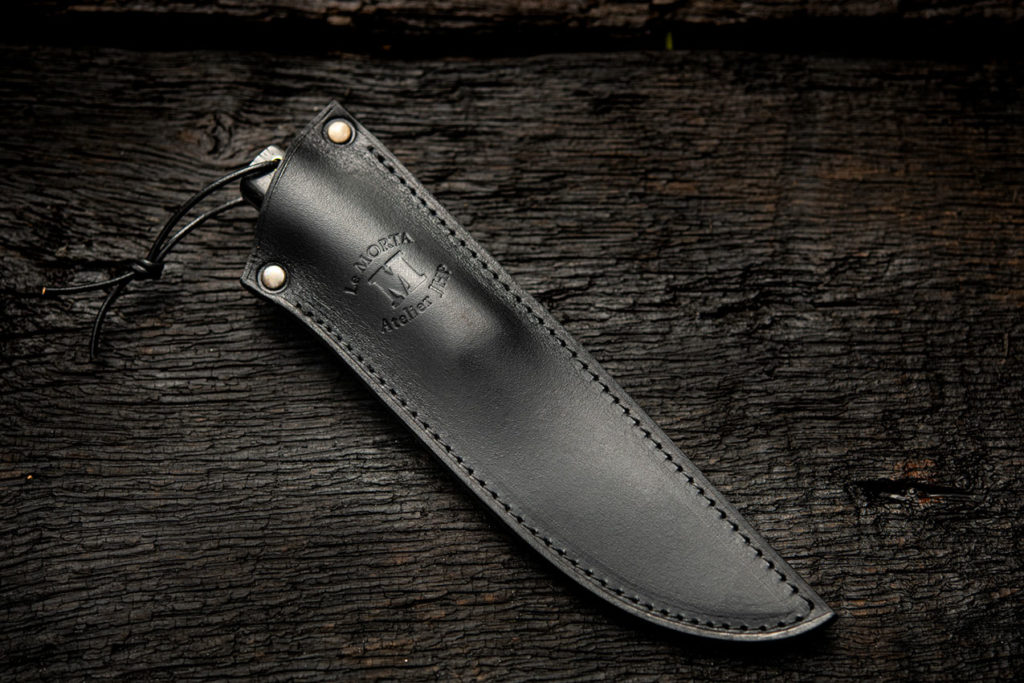
All our cases are made of leather by GB Sellerie in Saint-Nazaire, and leather sheaths made by Atelier De Laforêt

Switchblades, gravity knives & blade‑length myths
As seen above, Act 149 bulldozed the old ban on “devices which open by pressing a button, spring, or gravity.” Switchblades, OTFs, balisongs, green‑lit statewide. Local ordinances can’t resurrect the ban, thanks to § 66.0409. Likewise, there’s no blade‑length limit, so long as you observe the guard‑rails above.
Travelling through ? Five smart moves
- Leaving Wisconsin : Illinois, Minnesota, Michigan each impose stricter knife rules, sheath or disassemble before crossing state lines.
- Flying : TSA still says no knives in cabin; pack it checked.
- Federal facilities / national parks : federal regulations override state freedom, visitor centers may bar blades > 3 “.
- Documentation : snap photos + serial numbers; insurance loves proof if gear is lost or confiscated.
- Manners matter : a visible clip is legal, but a friendly smile prevents 911 calls. Open carry ≠ open intimidation.
Conclusion
Wisconsin hands you the freedom to legally carry a knife almost anywhere, almost anyhow. That liberty is precious : treat it like a razor‑honed edge : handle with respect, maintain it diligently, sheath it where it can do no accidental harm, and never forget that a moment’s negligence can carve a lifetime’s regret.
Frequently Asked Questions About Wisconsin Knife Laws
Is it legal to carry a knife in Wisconsin?
Yes. Since 2016, Wisconsin knife laws allow you to carry a knife, openly or concealed, regardless of blade length, lock type, or opening mechanism. 2015 Assembly Bill 142 (Act 149) removed knives from the “dangerous weapon” list in the concealed carry statute (§ 941.23) and repealed the old switchblade ban.
No permit or paperwork is required for an ordinary citizen.
Are switchblades, butterfly knives and automatic knives legal in Wisconsin?
All of them are legal. Act 149 repealed § 941.24, which banned any blade that opens by pressing a button, spring, or device in the handle, or by gravity or by a thrust.
Switchblades, OTFs, balisongs and gravity knives are all green-lit statewide, and Wisconsin’s preemption law (§ 66.0409) prevents any local ordinance from reinstating a ban.
Is there a blade length limit in Wisconsin?
No. Wisconsin law does not mention blade length in determining the legality of carrying a knife. Before the preemption law, some municipalities like Milwaukee County treated blades of 3 inches or more as weapons, that local regulation is no longer enforceable.
The length of the blade simply does not matter under current Wisconsin statutes.
Who is prohibited from carrying a concealed knife in Wisconsin?
Any person who is prohibited from possessing a firearm under § 941.29, convicted felons, individuals subject to certain restraining orders, or those with mental health commitments, who goes armed with a concealed knife that is a dangerous weapon is guilty of a Class A misdemeanor (§ 941.231).
Penalties include up to 9 months in jail and fines up to $10,000.
Where are knives prohibited in Wisconsin?
Knives are prohibited at all K-12 schools, including buildings, grounds, athletic fields and recreation areas (§ 948.61), violations can result in felony charges. Courthouses and posted government buildings also restrict knives. Federal facilities and national parks may impose their own restrictions.
It is also illegal for a minor to possess a dangerous weapon or have one transferred to them (§ 948.60).
When does a knife become a dangerous weapon under Wisconsin law?
Under § 939.22(10), a “dangerous weapon” means any device designed as a weapon and capable of producing death or great bodily harm, or any device or instrumentality which, in the manner it is used or intended to be used, is calculated or likely to produce death or great bodily harm.
Intent, not blade type or length, determines whether your knife crosses that legal line. Brandishing or using a knife with criminal or malicious intent escalates charges instantly.
Can local cities in Wisconsin pass their own knife ordinances?
No. Wisconsin’s preemption law (§ 66.0409) ensures that no political subdivision may enact or enforce an ordinance or adopt a resolution that regulates knives more stringently than state statute. This means Wisconsin has a uniform knife law effective statewide, the same rules apply from Milwaukee to Green Bay to Madison.
What should I know about travelling with a knife through Wisconsin?
Be aware that neighboring states impose stricter knife rules: Illinois, Minnesota and Michigan each have different regulations, so sheath or disassemble before crossing state lines.
TSA prohibits knives in cabin luggage, pack it checked. At a traffic stop in Wisconsin, responsible carry etiquette recommends keeping hands visible and informing the officer about your concealed knife. Courtesy keeps things smooth.
Share on social networks