

Hawaii’s knife laws changed fundamentally in May 2024. After decades of strict prohibition, switchblades and butterfly knives became legal to own, but not necessarily to carry. Act 21 opened a door that had been locked since 1959, yet the concealed carry ban remains firmly in place. Nearly two years later, this creates an interesting paradox: you can legally own knives once considered too dangerous to possess, but slipping them into your pocket still lands you in legal trouble. For anyone navigating Hawaii knife laws in 2026, understanding this distinction between ownership and carry isn’t just helpful, it’s essential. Whether you’re a collector, outdoor enthusiast, or simply curious about what’s legal, here’s what you need to know about carrying knives in paradise.
📌 Key Takeaways
- What changed in 2024: Since May 2024, you can own switchblades and butterfly knives in Hawaii. A revolution after decades of total prohibition!
- What DIDN’T change: Concealed carry remains strictly prohibited for these knives. In your pocket, bag, or under your shirt = illegal.
- Knives with no restrictions: Standard pocket knives (non-automatic folding knives) remain your best friends. Carry them however you like, openly or concealed.
- The essential nuance: Owning ≠ Carrying. You can collect butterfly knives at home, but slipping them in your pocket for a grocery run? Bad idea.
- Good news: Hawaii imposes no blade length limit for legal knives. Your pocket knife can have a 2-inch or 6-inch blade, as long as the knife type is allowed.
Hawaii Knife Laws: The Act 21 Revolution and Its Aftermath
The Legislative Turning Point
On May 13, 2024, Governor Josh Green signed Act 21 (officially HB2342) into law, effective immediately. This legislation fundamentally altered Hawaiian knife regulations, but not in the unrestricted way some hoped.
For the first time since 1999 for butterfly knives and since 1959 for switchblades, these blades became legal to possess. The Hawaii Revised Statutes § 134-52 and § 134-53, which had criminalized mere possession, were amended to focus instead on how these knives are carried.
Nearly two years into implementation, the reality is nuanced. Collectors celebrate finally being able to legally own these knives. Daily carriers, however, face the practical limitation that makes ownership somewhat hollow: the concealed carry ban remains firmly in place.
What changed with Act 21?
✅ Switchblades (automatic knives): Legal to own, manufacture, sell, and transport
✅ Butterfly knives (balisongs): Legal to possess and own
✅ Gravity knives: Same ownership rights restored
What didn’t change?
🚫 Concealed carry: Still prohibited for these knife types
🚫 Public safety restrictions: Schools, government buildings remain off-limits
🚫 “Deadly weapon” classifications: Dirks and daggers still cannot be carried
Why This Change Happened?
The catalyst was a federal court case: Teter v Lopez. In August 2023, the Ninth Circuit Court of Appeals ruled Hawaii’s total ban on butterfly knives unconstitutional under the Second Amendment. Rather than risk a Supreme Court decision that might threaten broader weapons regulations, Hawaii chose compromise.
Act 21 represents calculated risk management, loosening enough to satisfy constitutional requirements while maintaining public safety controls through the concealed carry prohibition. After 20 months, this framework has held, though legal challenges continue simmering beneath the surface.
Types of Knives Legal in Hawaii: What You Can Own vs. What You Can Carry
Understanding the Critical Distinction
Hawaii’s knife laws now require understanding a crucial difference: ownership versus carry. You can legally possess many knife types at home, but carrying them, especially concealed, is where restrictions apply.
Legal to own with no restrictions:
🔪 Standard pocket knives (folding, non-automatic)
🔪 Kitchen knives and culinary tools
🔪 Hunting and fishing knives
🔪 Switchblades (since 2024)
🔪 Butterfly knives/balisongs (since 2024)
🔪 Gravity knives (since 2024)
🔪 Dirks and daggers (ownership only, carry prohibited)
-

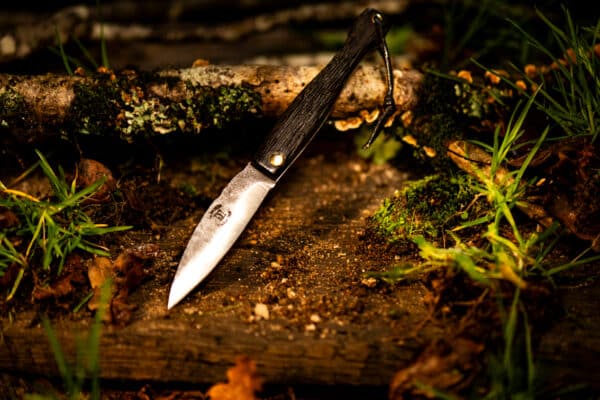
Mini solid morta as forged
210,00 € This product has multiple variants. The options may be chosen on the product page -
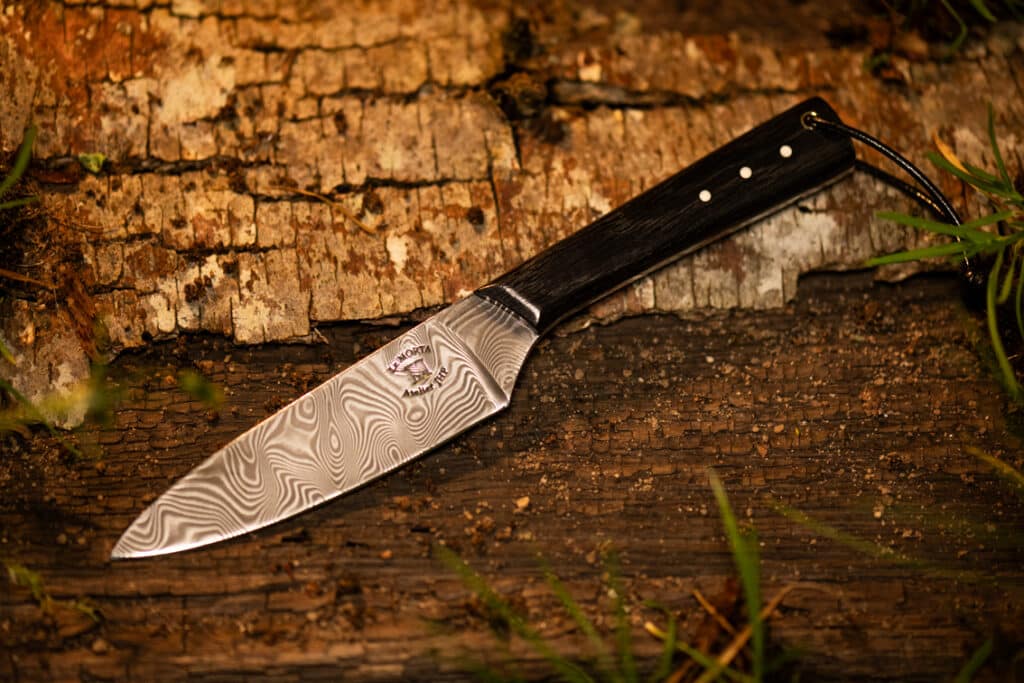
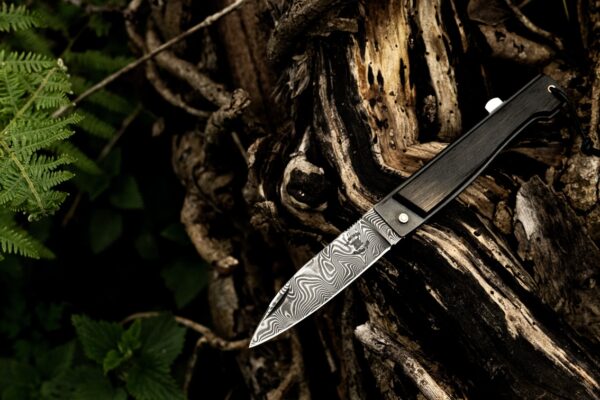
Morta Knife Lock Back Damas
445,00 € This product has multiple variants. The options may be chosen on the product page -
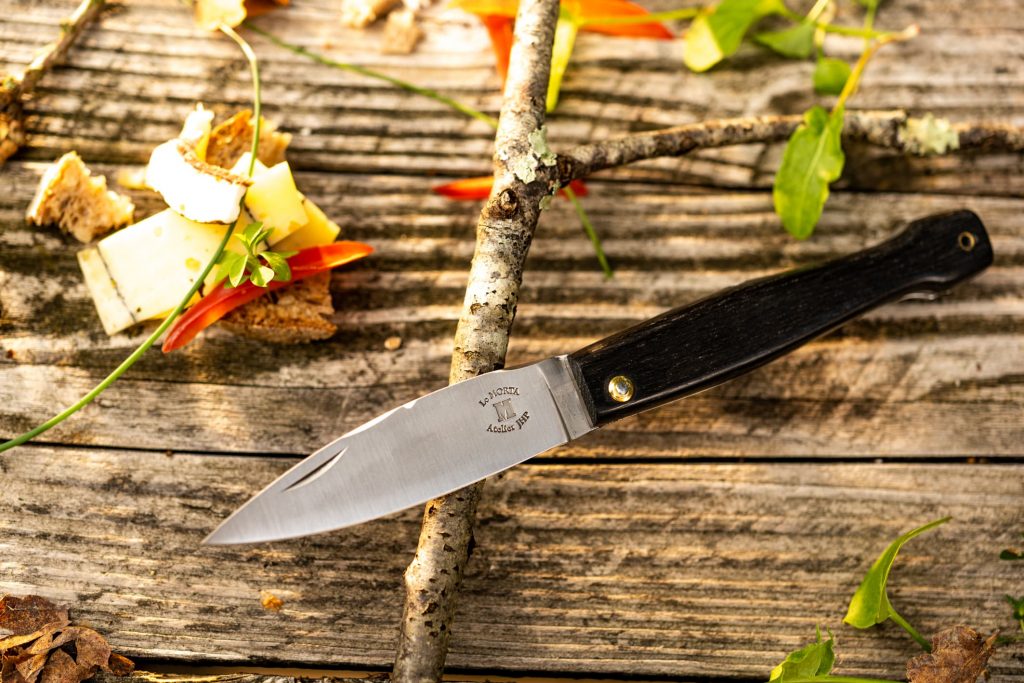
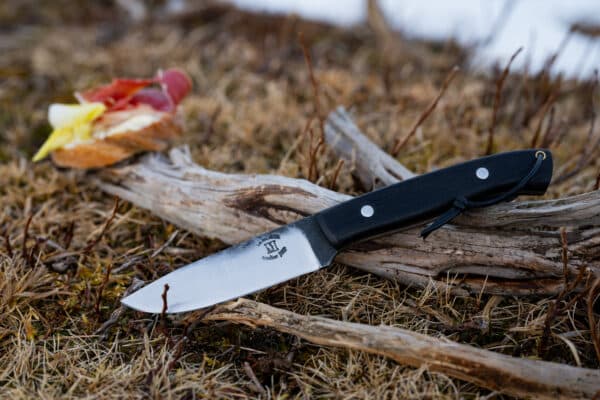
The Morta EDC
190,00 € This product has multiple variants. The options may be chosen on the product page
The Concealed Carry Prohibition
According to HRS § 134-52 and § 134-53 as modified by Act 21:
“Whoever knowingly carries concealed on the person, or in a bag or other container carried by the person, any switchblade knife [or butterfly knife] shall be guilty of a misdemeanor.”
This isn’t a minor technicality. “Concealed” means exactly what it sounds like:
- In your pocket? Concealed.
- In your backpack? Concealed.
- Under your shirt on your belt? Concealed.
- In your car’s glove compartment? Concealed.
Open carry means the knife must be visibly displayed, typically in an obvious belt sheath. For many people, this makes ownership impractical for daily use.
Dirks and Daggers: Still Prohibited from Carry
HRS § 134-51 remains unchanged regarding dirks and daggers, knives designed primarily as stabbing weapons. Hawaiian courts define these as “short weapons used for stabbing” (State v. Giltner, 1975).
You can own them at home, but carrying one, openly or concealed, in a vehicle or on your person, is illegal. Period.
The law’s language makes this clear: being “found armed” with a dirk or dagger is the offense. Whether it’s hidden or visible doesn’t matter.
Practical Guidance for Responsible Ownership
If you want unrestricted carry freedom: Stick with standard folding knives without automatic opening mechanisms. These remain legal for both open and concealed carry.
If you collect switchblades or butterfly knives: Enjoy them at home. Transport them carefully and visibly if needed. Don’t slip them in your pocket for a trip to the grocery store.
If you need a knife for work or outdoor activities: Choose tools clearly designed for their purpose, fishing knives, utility knives, work knives. Context matters, and a fishing knife in your tackle box raises no concerns.
Remember: legal ownership doesn’t mean unrestricted use. These are tools with potential as weapons, and Hawaiian law reflects that dual nature.
Quick Legal Facts: What You Need to Know
At-a-Glance Legal Status
| Knife Type | Own at Home | Open Carry | Concealed Carry |
| Standard pocket knife | ✅ Legal | ✅ Legal | ✅ Legal |
| Switchblade | ✅ Legal (2024) | ✅ Legal | 🚫 Illegal |
| Butterfly knife | ✅ Legal (2024) | ✅ Legal | 🚫 Illegal |
| Gravity knife | ✅ Legal (2024) | ✅ Legal | 🚫 Illegal |
| Dirk/Dagger | ✅ Legal | 🚫 Illegal | 🚫 Illegal |
Blade Length: No Restrictions for Legal Knives
Hawaii imposes no blade length limit for knives you’re legally allowed to carry. Your folding knife can have a 2-inch or 6-inch blade, the length doesn’t matter if the knife type itself is legal.
This distinguishes Hawaii from many states with arbitrary length restrictions. The focus is on knife type and carry method, not blade dimensions.
Prohibited Locations
Regardless of knife type, certain places remain completely off-limits:
🚫 Schools and school grounds (HRS § 302A-1134.6): Zero tolerance policy. Students found with “dangerous weapons” (including switchblades and butterfly knives) face up to 92 days exclusion.
🚫 Government buildings: Courts, legislative offices, municipal buildings.
🚫 Posted private property: Any establishment displaying weapons prohibition signage.
When Knives Become Weapons: Legal Consequences and Intent
Aggravated Penalties for Criminal Use
Hawaii law becomes dramatically more severe when knives are involved in crimes. HRS § 134-51(b), § 134-52(b), and § 134-53(b) all specify:
“Whoever knowingly possesses or intentionally uses or threatens to use [knife type] while engaged in the commission of a crime shall be guilty of a class C felony.”
This transforms minor offenses into serious criminal charges. If you’re arrested for a misdemeanor, say, public intoxication or disorderly conduct, and you have a concealed switchblade, you now face felony charges. The knife doesn’t need to be used; mere possession during the offense triggers enhanced penalties.
Intent Matters: Context Determines Legality
Hawaiian courts recognize that identical objects can be tools or weapons depending on context and intent (State v. Muliufi). A fishing knife in your tackle box on a boat? Clearly a legitimate tool. The same knife in your waistband during a bar altercation? Potentially a weapon.
Courts examine several factors:
- Location: Wilderness area vs. urban nightlife district
- Time: Daytime outdoor activity vs. late night in entertainment areas
- Behavior: Cooperative and calm vs. aggressive and threatening
- Stated purpose: Going fishing vs. no explanation
This contextual approach means responsible knife owners generally face no issues, while those carrying knives in circumstances suggesting potential violence face scrutiny.
“Deadly or Dangerous Weapon” Definition
Hawaii Supreme Court case law defines “deadly or dangerous weapon” as “instruments whose sole design and purpose is to inflict bodily injury or death” (State v. Giltner, 1975).
This matters because it distinguishes tools from weapons. A kitchen knife, though sharp and potentially deadly, isn’t designed primarily to harm, it’s a culinary tool. A stiletto dagger, conversely, exists solely for stabbing. This distinction affects how courts treat possession and use cases.
Practical Advice for Knife Owners and Carriers
How to Carry Legally?
For standard folding knives: Carry however you want, pocket, belt clip, bag. No restrictions apply as long as the knife isn’t automatic and isn’t a dirk/dagger.
For switchblades or butterfly knives acquired since 2024: If you must carry them, only open carry in obvious sheaths is legal. Realistically, most owners keep these at home to avoid complications. The concealed carry ban makes daily pocket carry illegal.
For work or outdoor activities: Match your knife to your activity. Fishing? Bring a fishing knife in visible storage. Hiking? A fixed-blade in a belt sheath raises no concerns. The key is legitimate purpose and appropriate context.
For Visitors and Tourists
Millions visit Hawaii annually. If you’re bringing knives:
Air travel: All knives must be in checked baggage (federal TSA requirement).
In Hawaii: You’re subject to the same laws as residents. Don’t assume tourist status provides exceptions.
Activities: If you’re camping, hiking, or fishing, appropriate knives for these activities are fine. But leave your switchblade collection at home, you can’t legally carry them concealed anyway.
Interacting with Law Enforcement
If stopped by police and you’re carrying a knife:
✓ Be forthright about what you have
✓ Explain legitimate purpose (work, fishing, camping)
✓ Never lie or attempt to hide a knife during searches
✓ Understand your rights while remaining respectful
HRS § 134-51 permits immediate arrest without warrant for illegal knife possession. Officers take weapons violations seriously, so compliance and honesty serve you better than evasion.
The Bottom Line on Responsibility
Knives are tools with inherent potential for harm. Hawaiian law attempts to balance legitimate uses with public safety. Your responsibility as a knife owner is understanding these boundaries and respecting them, not just legally, but ethically.
Act 21 didn’t create unrestricted knife freedom. It created regulated ownership with continued carry restrictions. Understanding this distinction keeps you legal and demonstrates the responsibility that comes with owning potentially dangerous tools.
Conclusion
Hawaii’s knife laws in 2026 represent an ongoing compromise between constitutional rights and public safety. Act 21 legalized ownership of switchblades and butterfly knives while maintaining strict carry restrictions, a middle ground satisfying neither those seeking unrestricted freedom nor those preferring total prohibition.
After nearly 20 months of implementation, one pattern is clear: collectors benefit far more than daily carriers. You can now legally own these knives, but carrying them concealed remains illegal. Standard folding knives, however, face no such restrictions.
For responsible knife owners, Hawaii’s framework is navigable. Match your knife to your activity, understand the ownership versus carry distinction, and respect the boundaries. These tools carry inherent risks alongside their utility, Hawaiian law acknowledges both.
As you bring your knife to the islands, remember: verify its type, understand carry restrictions, and respect Hawaii’s balance between freedom and safety. The spirit of Aloha applies to knife ownership too, responsibility, respect, and care benefit everyone.
Mahalo for reading !
 years of history
 Made in France
Discover Our Legal Knives in Hawaii
Handcrafted with passion…
Important Note: While this article provides accurate information about Hawaiian knife laws based on official statutes and case law, regulations can change. Always verify current laws through official sources (Hawaii Revised Statutes, government websites) before making decisions about knife ownership or carry. When in doubt, consult an attorney specializing in Hawaiian criminal law.
Official Sources Consulted:
- Hawaii Revised Statutes § 134-51, § 134-52, § 134-53
- Hawaii Revised Statutes § 302A-1134.6
- Act 21 (HB2342), signed May 13, 2024
- Case law: State v. Giltner (1975), State v. Ogata (1977), Teter v Lopez (2023)
- American Knife and Tool Institute (AKTI)
- Knife Rights Foundation
FAQ
Can I carry my standard pocket knife in Hawaii in 2026?
Absolutely! Standard folding knives (non-automatic) can be carried without restrictions—in your pocket, bag, or on your belt. It’s the simplest choice to avoid any legal trouble.
I bought a switchblade after Act 21—can I carry it with me?
You can own it at home and carry it openly (in a visible belt sheath, for example). But concealed carry remains illegal. In your pocket = guaranteed problem.
What's the difference between "owning" and "carrying" a knife in Hawaii?
Under Hawaii law (HRS § 134-52 and § 134-53 as amended by Act 21), ownership means legal possession at home or in your business.
Carrying refers to having the knife on your person or in a container you’re carrying in public.
Since May 2024, you can legally own switchblades and butterfly knives, but concealed carry of these knife types remains a misdemeanor offense. Open carry in a visible sheath is permitted.
Are butterfly knives really legal now?
Yes, since May 2024! Act 21 legalized their possession after 25 years of prohibition. But careful: only open carry is allowed. Concealing them = misdemeanor.
Is there a blade length limit in Hawaii?
Nope, none at all! Unlike many states, Hawaii sets no length restriction. What matters is the type of knife and how you carry it.
Can I carry a hunting or fishing knife?
Yes, no problem if the use is legitimate. A fishing knife in your tackle box or a hunting knife while hiking—nobody will bother you. Context matters enormously.
Where is carrying a knife prohibited, even if it's legal?
Schools, government buildings, and private properties with posted prohibitions are off-limits. Respect these zones, even with a simple pocket knife.
What's a "dirk" or "dagger" and why is it a problem?
These are knives designed primarily for stabbing (thin double-edged blades, for example). You can own them at home, but carrying them—even openly—remains illegal.
What happens if I carry a prohibited knife?
Carrying a switchblade or butterfly knife concealed violates HRS § 134-52(a) and § 134-53(a), resulting in misdemeanor charges.
However, if you possess or use such a knife during the commission of any crime, penalties escalate to a class C felony under subsection (b) of these statutes.
This applies even for minor offenses like disorderly conduct.
As a tourist, what precautions should I take with my knife?
The same rules apply. On the plane, all knives go in checked baggage (TSA requirement).
In Hawaii, stick with a standard pocket knife if you need one. Leave your switchblade collection at home, you couldn’t carry them concealed anyway.
Share on social networks