

Buying French sounds like a protest slogan. However, it is above all a consumer philosophy. In the midst of globalization, consuming locally means returning to our roots: ancestral traditions and ties to our territories. Why buy French? Above all else, choosing French products promotes national employment, supports local producers, and preserves our precious traditional know-how. In local shops, at markets, on farms, or online, products made in France boost the economy and leave their unique mark on your heritage. Beyond a commitment to responsibility, it is a helping hand to future generations.
📌 Key Takeaways: Buy French
- 64% increase in local purchasing: During the health crisis, 64% of French households increased their purchases of French-made products, with 89% wishing to spend even more locally.
- Double economic impact: Each euro spent on French production generates twice the added value compared to spending on foreign products.
- Manufacturing renaissance: Since 2016, over 500 factories have reopened in France, creating 108,000 industrial jobs in 2022 alone.
- International quality perception: 69% of Germans, 63% of Americans, and 97% of Chinese consumers have purchased French products, associating them with quality and luxury.
- 281 registered crafts: France recognizes 281 regional art crafts, with 94% of French citizens viewing artisans as custodians of national expertise.
Buying French is once again becoming a pleasure for consumers and a sign of commitment.
According to the Opinion Way survey, the country of manufacture is the fourth most important criterion when making a purchase, behind price, quality, and product lifespan. Customer reviews, on the other hand, carry less weight in consumers’ decision-making process.
The health crisis has been a catalyst: 64% of French households have increased their purchases of French products. Today, 85% spend locally. It should be noted that 89% would like to go even further.
As good gourmets, the French favor food first (70%), followed by cosmetics, hygiene products (33%), and clothing (32%). Electronics and computers bring up the rear.
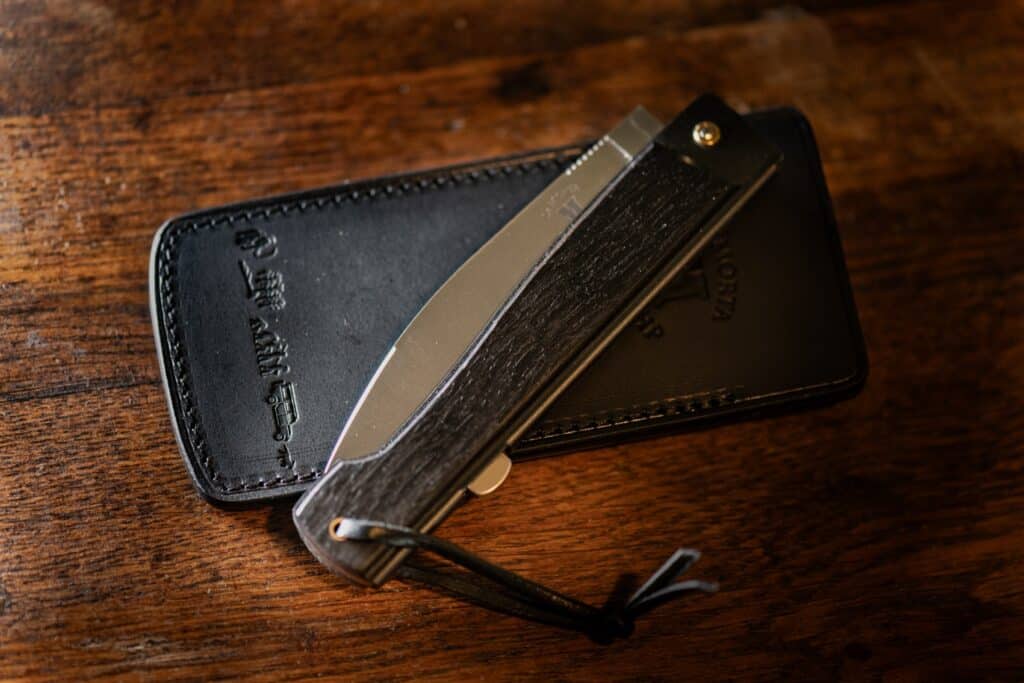
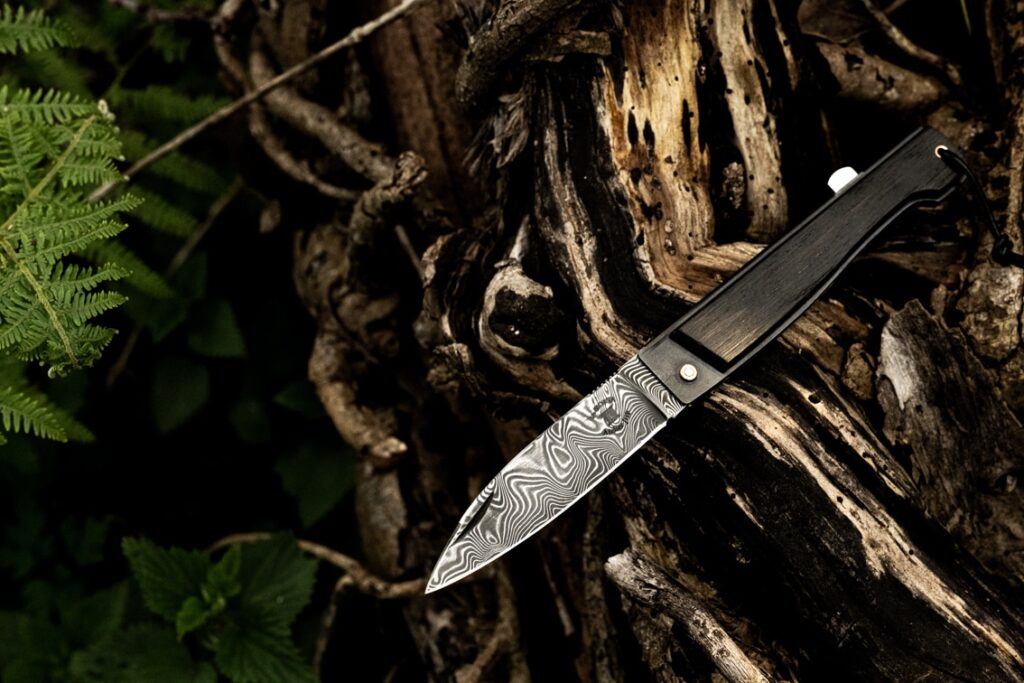
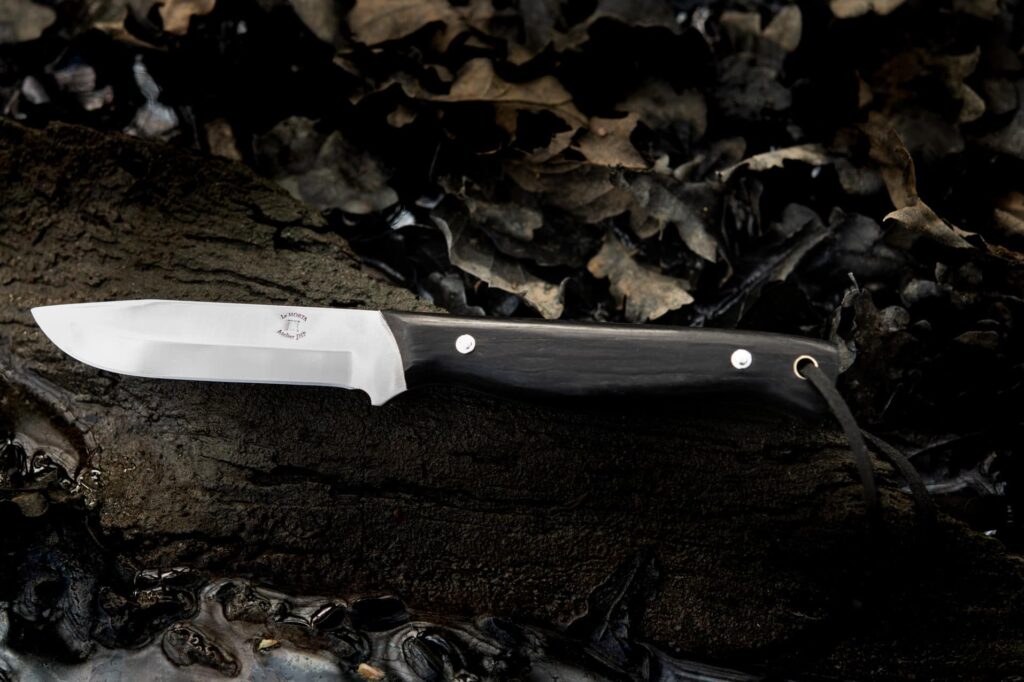
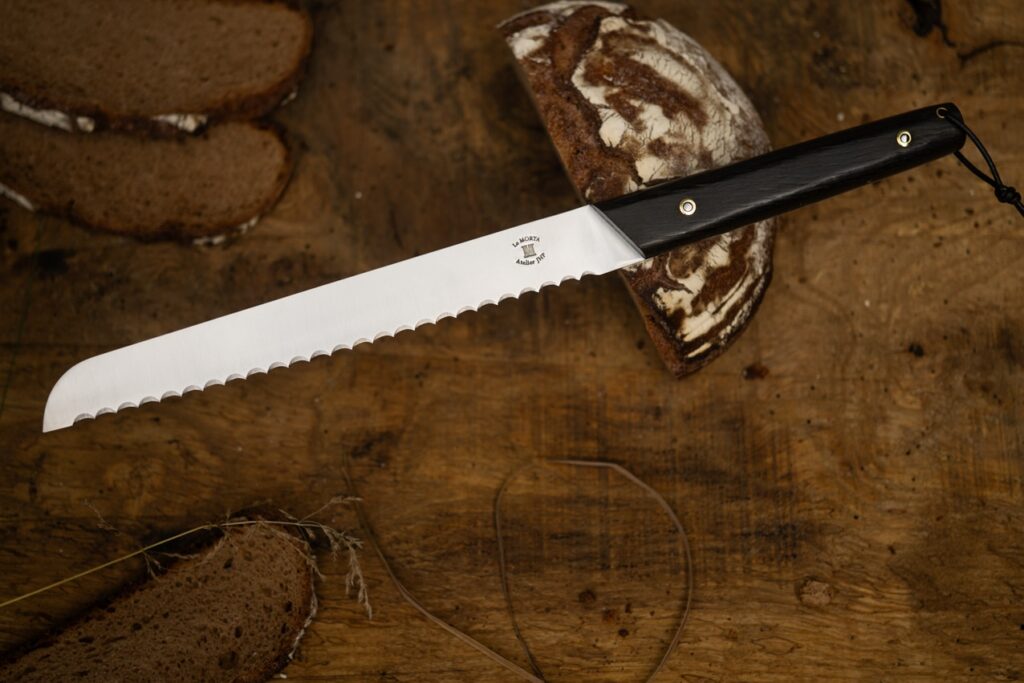
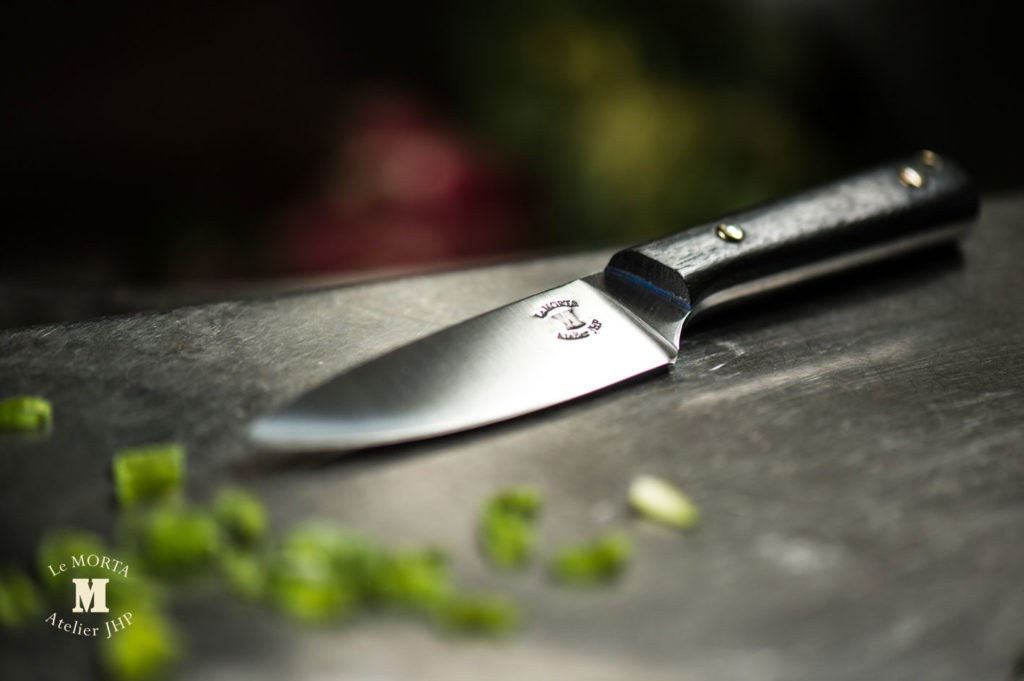
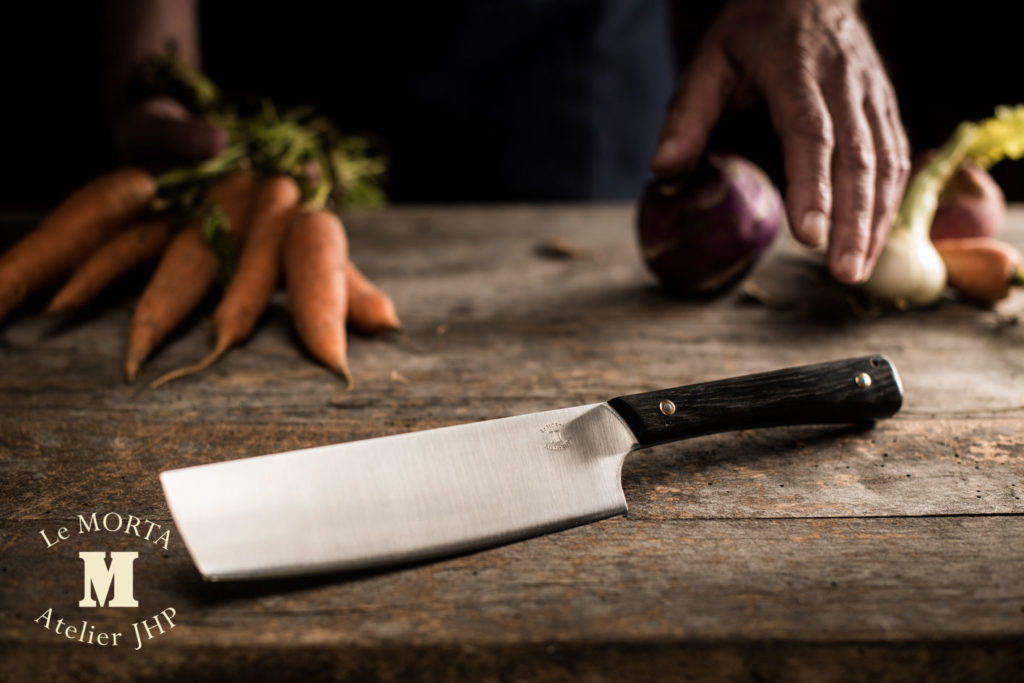
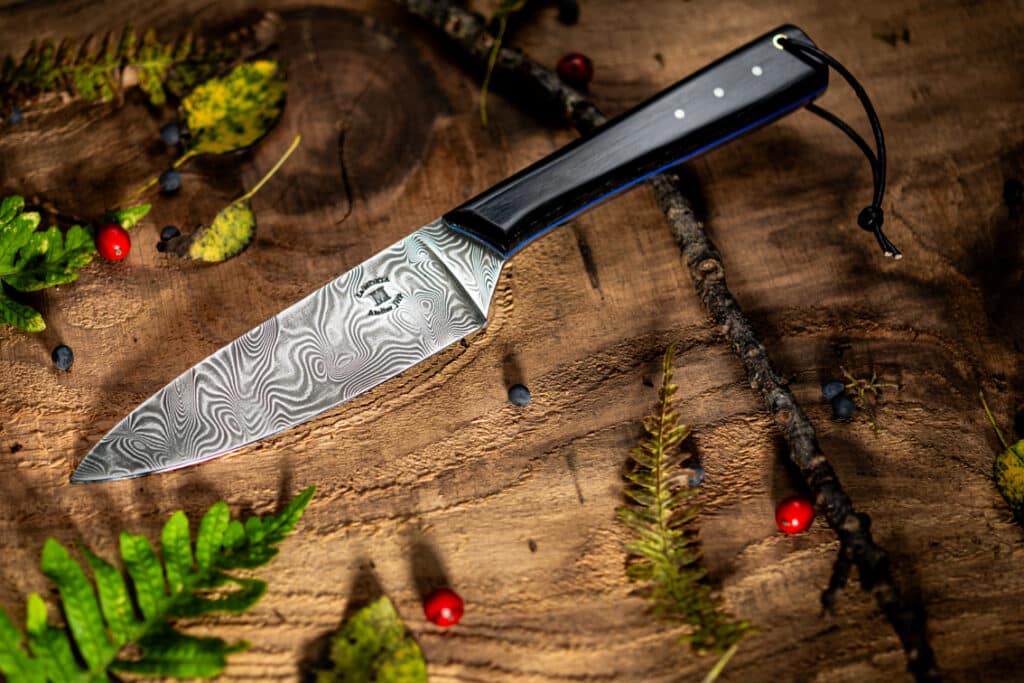
Behind these figures lies a simple pleasure: the pleasure of choosing products whose history, origin, and craftsmanship are known. This is exactly what our visitors say when they discover our cutlery.
Buying French is directly linked to promoting our culture and heritage.
Here are three good reasons to fill your shopping cart with blue, white, and red.
1 – Buying French: a gesture that supports local employment
Between 1965 and 2019, the share of products manufactured in France in national consumption fell from 89% to 78%. For manufactured goods, the figure fell from 82% to just 38%. Behind this observation lies a reality: companies closing down, expertise disappearing, and regions gradually losing their economic activity.
But let’s remain optimistic, because the trend is reversing, the rooster is raising its head and crowing. Since 2016, France has reopened more than 500 factories and 108,000 industrial jobs have been created in 2022.
Each job feeds an entire ecosystem: suppliers, transporters, subcontractors, etc. According to INSEE, each euro invested in French production generates twice as much added value as if we spent it abroad.
Promoting French companies means supporting a network of trades, from craftsmanship to industrial processing. It means participating in the life of our regions and encouraging the transfer of skills.
🔪 At Couteaux Morta, we favor French partners as much as possible.
Looking for the best French pocket knife?
2 – Buy local: contribute to the survival of regional producers
The taste of authenticity, proximity, and vitality
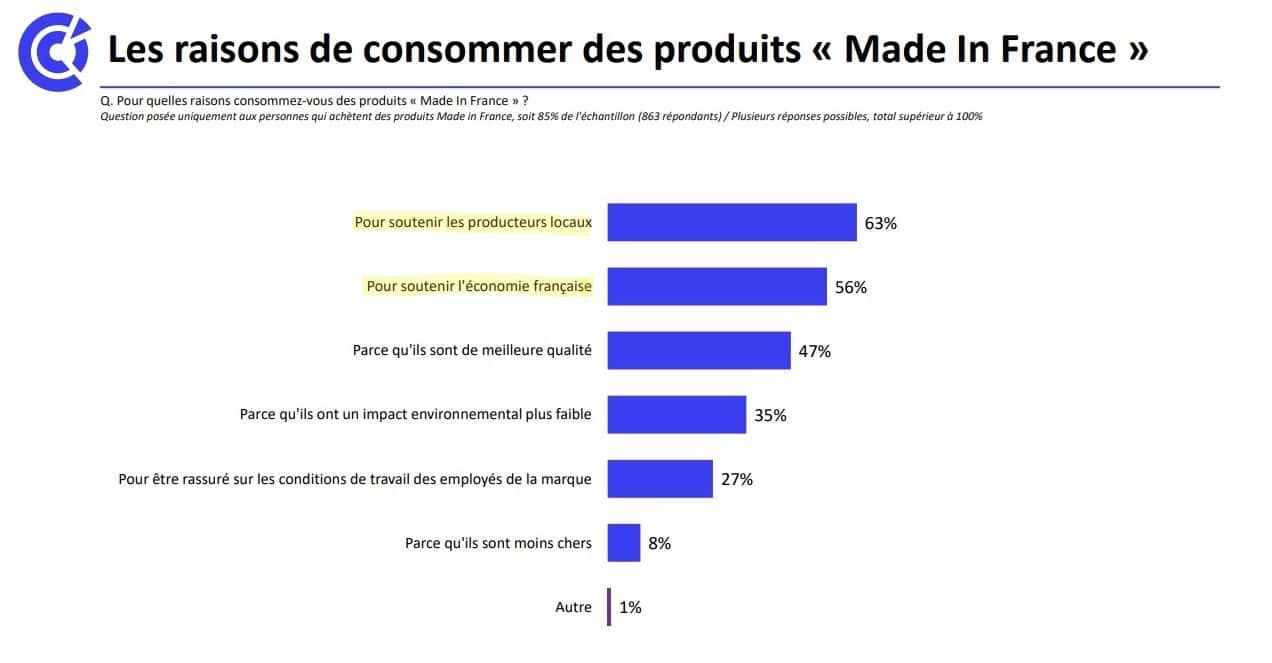
When asked why they buy French, consumers overwhelmingly respond: to support local producers and the country’s economy. It’s a way of participating in the virtuous circle that sustains life in our regions.
Do you also enjoy strolling through the village market on Saturday mornings? Choosing a beautiful grain-fed chicken or seasonal vegetables, lulled by the sound of the church bells and the sweet smell of organic honey. These simple pleasures reflect a deep desire: to be rooted in one’s region.
63% of French people buy Made in France products to support local producers and 56% to strengthen the national economy.
This purchasing reflex goes beyond consumption: it touches on solidarity.
The massive support for the farming community, a symbol of hard work and deep roots, is testament to this attachment. 91% of the population supports its farmers (Odoxa-Backbone survey for Le Figaro). Their work evokes that of our ancestors: skills passed down through the generations, an intimate and sincere relationship with the land and with time.
Craftsmanship, the human face of Made in France
But the connection to the local area doesn’t stop at the land. The French see craftsmanship as another expression of their living heritage. 94% consider artisans to be custodians of expertise.
In workshops, the potter’s or bootmaker’s craft is passed down from hand to eye, from artisan to apprentice, often in the same village for several generations.
🔪 At the JHP cutlery workshop, our visitors stop, ask questions, and admire the blades and the wood: Morta.
Each object connects the hand that shapes it to the land that provides the raw material.
Preferring French brands means supporting this human chain where every profession, every tool, and every material is part of local history.
3 – The artisanal choice: preserving our expertise and sustainability
Buying French also means protecting the skills that our hands have slowly learned. Each region is home to unique expertise, passed down from generation to generation: linen weaving in Normandy, ceramics in Provence, and cutlery in Brière.
The 281 crafts listed by the National Institute of Crafts embody this living heritage.
Behind every French object lies patience, material, and care. Quality is prioritized over quantity, and durability over speed. Products designed here are made to last, to be repaired, and to be passed on.
It is no coincidence that (according to OpinionWay) 73% of French people associate Made in France with product quality and durability.
A French table knife, a garment designed in France, or a piece of furniture made according to the rules of the art is not something you buy, it’s something you adopt.
🔪 Discover the knife collection from the JHP workshop, a company certified EPV for the excellence of its craftsmanship.
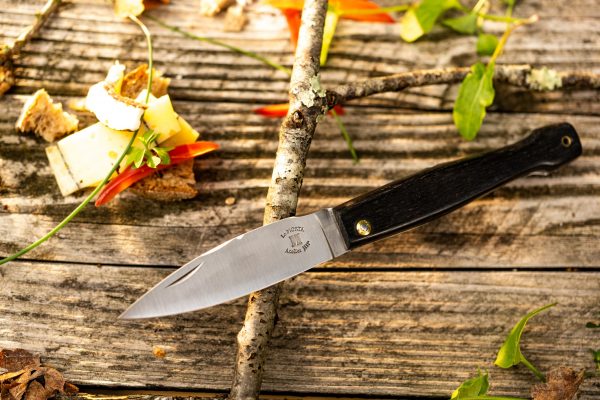

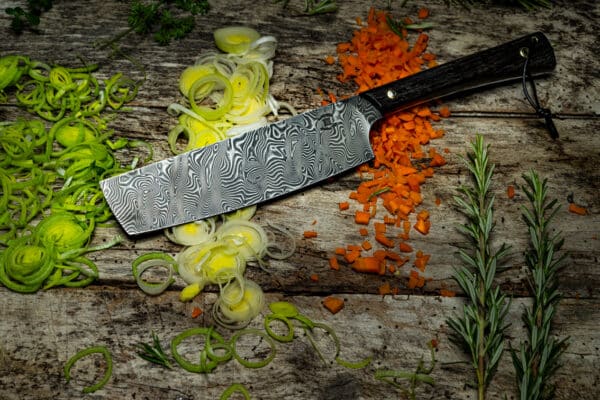
Supporting master craftsmen means contributing to the survival and transmission of ancestral trades.
Made in France focuses on the long term: precise movements, durability, and a culture of care that cannot be delegated.
The MIF Expo trade show, which has grown from 15,000 visitors in 2013 to more than 110,000 in 2023, illustrates the French public’s growing interest in local manufacturing.
🔗 MIF 2022 honored Couteaux Morta with the Grand Prix du Public award.
Where can you buy products made in France?
But you still need to know where to find these treasures of French craftsmanship.
Local shops
In town centers and villages, independent shops are resisting standardization. At the grocer’s, wine merchant’s, or cutler’s, you can enjoy talking to someone who knows their products, processes, materials, and suppliers.
These shops are the beating heart of the local economy.
Buying French often means starting by buying locally.
Local and craft markets
Saturday morning market stalls remain a cherished tradition for the French. Here you can meet producers, market gardeners, and artisans such as knife makers, potters, and weavers.
Craft markets, in summer and at Christmas, offer an exceptional showcase for regional expertise.
Each stall tells a story, each object bears the mark of a hand.
These lively places maintain the proximity between the consumer and the creator.
Artisan workshops
Stepping into a workshop is like stepping into the daily lives of those who create. You hear the sound of metal, smell the scent of wood, and feel the heat of a potter’s kiln.
More and more artisans are opening their workshops to the public to share their passion and their craft.
Their e-commerce sites extend this encounter. They offer the same high standards of quality and the same commitment to local production.
Buying from artisans, online or in person, means choosing transparency and trust.
Farm and on-site sales outlets
In rural areas, direct sales are making a comeback. Farms, breweries, and soap factories are opening their doors to visitors. Here, you can buy fresh, often organic products or handmade items.
This traditional method of sale preserves the link between production and consumption: no middlemen, no doubt about the origin.
It’s another way to give meaning back to your purchases, on a human and local scale.
Platforms promoting French-made products
Finally, digital technology is opening up new avenues for French expertise. Certain online platforms bring together brands from across France. These directories guarantee their origin and quality.
Among them, Frenchy Corner Store occupies a special place. Born from a meeting between French artisans and an entrepreneur based in Singapore, it has taken the bold step of promoting French-made products abroad.
It is a courageous initiative, built over time with the same tenacity found in artisan workshops.
Supporting this type of approach means extending the spirit of “buying local” beyond borders.
Buying French means connecting a centuries-old culture to the modern world. It proves that modernity and tradition can blend perfectly and resonate in unison to satisfy the responsible consumer. It is a tangible way to encourage younger generations to devote themselves to a meaningful profession.
I want a knife that is handmade in France.
BONUS – Made in France, a collective movement that is gaining momentum
Beyond our borders, Made in France remains a guarantee of quality and high standards.
➡️ 69% of Germans, 63% of Americans, and 61% of Chinese associate French products with quality.
➡️ 73% of American consumers see them as a benchmark for luxury.
➡️ In China, 97% of the population has already bought a French product and 38% do so regularly.
This reputation is based on recognized expertise and ambitious public policies.
With the France Relance plan launched in 2020, the government is encouraging ecological transition, business competitiveness, and industrial recovery.
🔗 Understanding the Made in France label
Our sources
Why are more French consumers buying locally made products?
The health crisis was a major catalyst, with 64% of French households increasing their purchases of French products. Today, 85% of consumers spend locally and 89% wish to expand their local purchasing habits further. According to Opinion Way research, the manufacturing country has become the fourth most important purchase criterion, after price, quality and product longevity.
How does buying French support local employment?
Since 2016, France has reopened over 500 factories and created 108,000 industrial jobs in 2022. Each job sustains an ecosystem of suppliers, transporters and subcontractors. According to INSEE, each euro invested in French production generates twice as much added value compared to foreign spending.
What motivates French consumers to choose Made in France products?
According to surveys, 63% of consumers buy Made in France to support regional producers and 56% to strengthen the national economy. Support for local agriculture is particularly strong, with 91% of the population backing French farmers according to an Odoxa-Backbone survey. Additionally, 94% consider artisans as custodians of expertise.
How does French craftsmanship preserve traditional expertise?
Each region possesses unique skills passed down through generations, from Normandy’s linen weaving to Provence’s ceramics and Briere’s cutlery. The National Institute of Crafts lists 281 recognised trades representing living heritage, with products designed for quality, durability and repairability rather than mass production.
Where can you buy Made in France products?
Products are available through independent local shops, markets where consumers meet producers and artisans, workshops where visitors experience the creation process, and farm outlets offering products directly without middlemen. Digital platforms like Frenchy Corner Store also promote French products internationally.
How is Made in France perceived internationally?
French products enjoy strong international recognition: 69% of Germans, 63% of Americans and 61% of Chinese associate them with quality. In the United States, 73% of consumers view French products as luxury benchmarks. In China, 97% have purchased French products, with 38% doing so regularly.
Share on social networks